
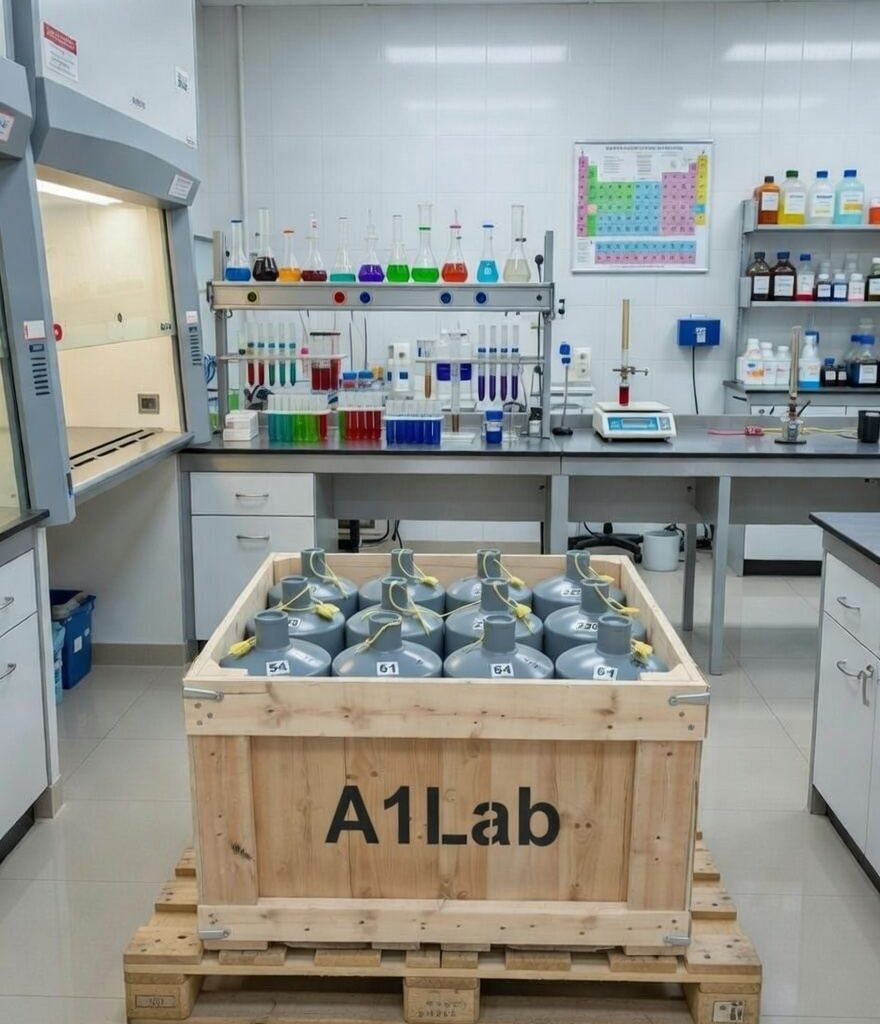
Exploring the Properties and Uses of Liquid Mercury
Liquid mercury is a fascinating and unique element that has captured human curiosity for centuries. Known for its shiny, silver appearance and liquid state at room temperature, mercury has been used in various applications, from industrial processes to scientific experiments. In this article, we’ll delve into the properties of liquid mercury, its uses, and address some common questions about purchasing and handling this intriguing substance.

Mercury, with the chemical symbol Hg, is a heavy metal found naturally in the earth’s crust. Unlike most metals, mercury is a liquid at room temperature, which gives it unique properties and makes it particularly interesting for scientific study.
Physical and Chemical Properties
Mercury is known for its metallic luster and ability to flow like a liquid. It has a high density and is a good conductor of electricity, which makes it useful in various electronic applications. Mercury is also unique due to its high surface tension, allowing it to form rounded droplets.
The metal’s density is 13.6 times that of water, making it one of the heaviest liquids. Its specific gravity allows it to support objects that would normally sink. This property is exploited in devices like barometers where mercury’s density and liquid state are crucial.
Chemically, mercury is relatively stable but can form compounds with other elements, such as sulfur and chlorine. One of its most well-known compounds is mercury sulfide, also known as cinnabar, which is a bright red mineral. Cinnabar is often used as a pigment due to its vivid color, although its use has diminished due to mercury’s toxicity.
Is Liquid Mercury Dangerous?
Yes, liquid mercury can be hazardous to human health. While it may look harmless, mercury is toxic, and exposure can lead to serious health issues. Inhalation of mercury vapors or direct skin contact should be avoided, as mercury can cause damage to the nervous system, kidneys, and other organs. Proper safety measures, such as using gloves and working in well-ventilated areas, are essential when handling mercury.
Mercury exposure can occur through various routes, including inhalation, ingestion, and dermal contact. The vapors are particularly concerning as they can be absorbed into the bloodstream through the lungs, leading to systemic toxicity. Chronic exposure, even at low levels, can result in neurological and behavioral disorders, emphasizing the need for strict safety protocols.
Aside from personal health risks, mercury also poses environmental threats. When released into the environment, it can accumulate in water bodies, transforming into methylmercury, a more toxic form that bioaccumulates in the food chain. This can have devastating effects on wildlife and human populations that rely on fish and other aquatic life for food.
Historical Context and Discovery
The history of mercury dates back to ancient civilizations where it was revered and mystified due to its liquid state and peculiar properties. In ancient China and India, mercury was used in medicine and alchemy, often associated with the quest for immortality. Alchemists believed mercury to be a fundamental substance in the transmutation of base metals into gold, linking it to the mystical pursuit of the philosopher’s stone.
The ancient Greeks and Romans also utilized mercury, with notable figures like Aristotle and Pliny the Elder documenting its properties and uses. Despite its known toxicity, mercury was used in various ointments and treatments, reflecting the limited understanding of its dangers at the time.
During the Renaissance, mercury continued to be a subject of fascination, playing a significant role in the burgeoning field of chemistry. It was during this period that scientists began to systematically study mercury, laying the groundwork for our modern understanding of its properties and dangers.
Uses of Liquid Mercury
Mercury has a wide range of applications across different industries. Let’s explore some of the most common uses of liquid mercury:
Industrial and Scientific Applications

In the industrial sector, mercury is used in the production of chlorine and caustic soda, as well as in the extraction of gold from ore. Mercury’s ability to form amalgams with other metals makes it valuable for gold mining, as it helps separate gold from other materials.
Mercury’s role in the chlor-alkali industry involves its use as a cathode in the electrolysis of brine to produce chlorine gas and sodium hydroxide. Although modern advancements have introduced mercury-free alternatives, some older plants still rely on this process due to its efficiency.
In scientific research, mercury is used in thermometers, barometers, and other instruments that measure temperature and pressure. Its high density and consistent expansion rate make it ideal for these applications, although safer alternatives are now available due to mercury’s toxicity. Despite the shift to digital instruments, mercury’s precision in measurement is still appreciated in specific laboratory settings.
Medical Uses
Historically, mercury was used in medicine, particularly in dental fillings and some vaccines. However, due to health concerns, its use in medical applications has significantly declined. Safer materials have replaced mercury in most dental and medical products.
Dental amalgams, once common, consisted of a mixture of mercury with silver, tin, and copper. These fillings provided durable and cost-effective solutions for cavities but raised concerns due to mercury exposure. Today, composite resins and other materials offer safer alternatives without compromising effectiveness.
In the past, mercury compounds were also used as topical antiseptics and in treatments for various ailments. The realization of mercury’s toxicity has led to these practices being largely abandoned, with healthcare providers opting for safer, evidence-based treatments.
Cultural and Historical Significance
Mercury has been used throughout history in various cultural and alchemical practices. It was often associated with the mystical and the unknown, playing a role in ancient medicine and alchemy. While these uses are not scientifically valid today, they highlight mercury’s long-standing place in human history.
In ancient Egypt, mercury was used in tombs and ceremonial objects, reflecting its perceived spiritual significance. Alchemists in medieval Europe believed mercury to be a key ingredient in the quest for eternal life and the transmutation of metals, symbolizing transformation and purification.
Mercury’s enigmatic properties have also permeated literature and art, symbolizing change and mystery. This cultural legacy underscores the profound impact mercury has had on human imagination and its continued relevance in discussions about science and safety.
Buying and Selling Liquid Mercury
With its various applications, you might wonder about the availability and purchasing process for liquid mercury. Let’s address some common questions:
Where Can You Buy Liquid Mercury?
Liquid mercury can be purchased from specialized chemical suppliers and online marketplaces. However, due to its hazardous nature, strict regulations govern its sale and purchase. Buyers must comply with legal requirements and demonstrate a legitimate need for mercury.
Chemical suppliers often require buyers to have appropriate licenses and provide detailed documentation regarding the intended use of mercury. This helps ensure that mercury is only used for legitimate purposes and minimizes the risk of misuse or illegal distribution.
In some regions, special permits may be necessary to purchase and store mercury safely. Regulatory bodies monitor these transactions closely to prevent environmental contamination and protect public health.
Can You Buy Liquid Mercury Online?
Yes, you can buy liquid mercury online, but it’s essential to ensure that the seller is reputable and compliant with safety regulations. Online platforms may require buyers to provide documentation proving their intent to use mercury responsibly.
Reputable sellers often include safety data sheets and handling instructions with their shipments to educate buyers on the safe use and disposal of mercury. This transparency helps build trust and ensures that buyers are well-informed about the risks and responsibilities associated with mercury.
Online marketplaces may also have additional security measures in place to verify the identity and credentials of buyers. These steps are crucial in preventing unauthorized purchases and ensuring compliance with legal standards.
Mercury Liquid Price and Availability
The price of liquid mercury can vary based on factors such as purity, quantity, and market demand. It’s crucial to research and compare prices from different suppliers to ensure you are getting a fair deal. Keep in mind that purchasing mercury involves additional costs related to shipping and handling, as it must be transported safely.
Mercury prices can fluctuate due to changes in industrial demand and regulatory pressures. As safer alternatives become more prevalent, the market for mercury may shrink, affecting its availability and cost.
Transportation of mercury requires specialized packaging and labeling to comply with hazardous material regulations. These precautions ensure that mercury is handled safely during transit, reducing the risk of spills or exposure.
Who Buys Liquid Mercury?
Liquid mercury is primarily purchased by industries and research institutions that require it for specific applications. Individuals involved in scientific research or gold mining may also buy mercury, but they must adhere to safety and regulatory guidelines.
Research institutions often use mercury in controlled laboratory settings for experiments that require its unique properties. Industrial buyers may include companies in the chemical manufacturing and mining sectors where mercury’s applications are still relevant.
Individual buyers are typically subject to stricter scrutiny to prevent unauthorized or unsafe use. Documentation of intended use and adherence to safety protocols are mandatory to ensure responsible handling.
Is It Legal to Buy Liquid Mercury?
The legality of buying liquid mercury depends on your location and the intended use. Many countries have strict regulations to control the sale and distribution of mercury due to its toxicity. Before purchasing, check the local laws and ensure compliance with any legal requirements.
In some countries, mercury is classified as a controlled substance, requiring special permits for purchase and use. These regulations aim to minimize environmental impact and prevent health risks associated with improper handling or disposal.
International trade in mercury is also subject to agreements like the Minamata Convention, which seeks to reduce mercury emissions and phase out its use in certain products and industries. Compliance with these global standards is crucial for legal and ethical procurement.
Conclusion
Liquid mercury is a unique element with a wide range of applications, from industrial processes to scientific experiments. While its properties make it valuable for certain uses, its toxicity requires careful handling and adherence to safety regulations. Whether you’re considering purchasing liquid mercury for industrial use or scientific research, it’s crucial to understand the risks and legal requirements involved.
Always prioritize safety and consult with experts to ensure responsible handling of this intriguing yet hazardous substance. By doing so, you can harness the benefits of liquid mercury while minimizing potential risks.
In exploring the properties and uses of liquid mercury, we’ve uncovered a substance that, despite its dangers, continues to play a significant role in various fields. As we move forward, it’s essential to balance innovation with safety, ensuring that mercury is used responsibly and sustainably for generations to come.

by Faustina Okeke (https://unsplash.com/@thefourthwxll)
